In the world of printing, color accuracy and consistency are paramount. Two primary color systems used in printing are CMYK and PMS. Understanding the differences between these two systems is crucial for achieving the desired results in your printed materials. This article will explore what CMYK and PMS are, their applications, and how to choose the right system for your project.
CMYK stands for Cyan, Magenta, Yellow, and Key (Black). This color model is a subtractive color system used primarily in color printing. CMYK works by combining varying percentages of these four colors to create a wide range of hues.
Subtractive Process: In CMYK printing, colors are produced by subtracting light from a white background. By layering these four inks, printers can mix colors and create complex shades.
Color Mixing: For example, combining 100% Cyan and 100% Magenta produces a blue color, while mixing all four colors in equal parts results in a near-black shade.
Full-Color Printing: CMYK is commonly used for printing materials like brochures, posters, and magazines, where a wide range of colors and gradients is needed.
Digital Printing: Most digital printers utilize the CMYK model, making it suitable for short runs and on-demand printing.
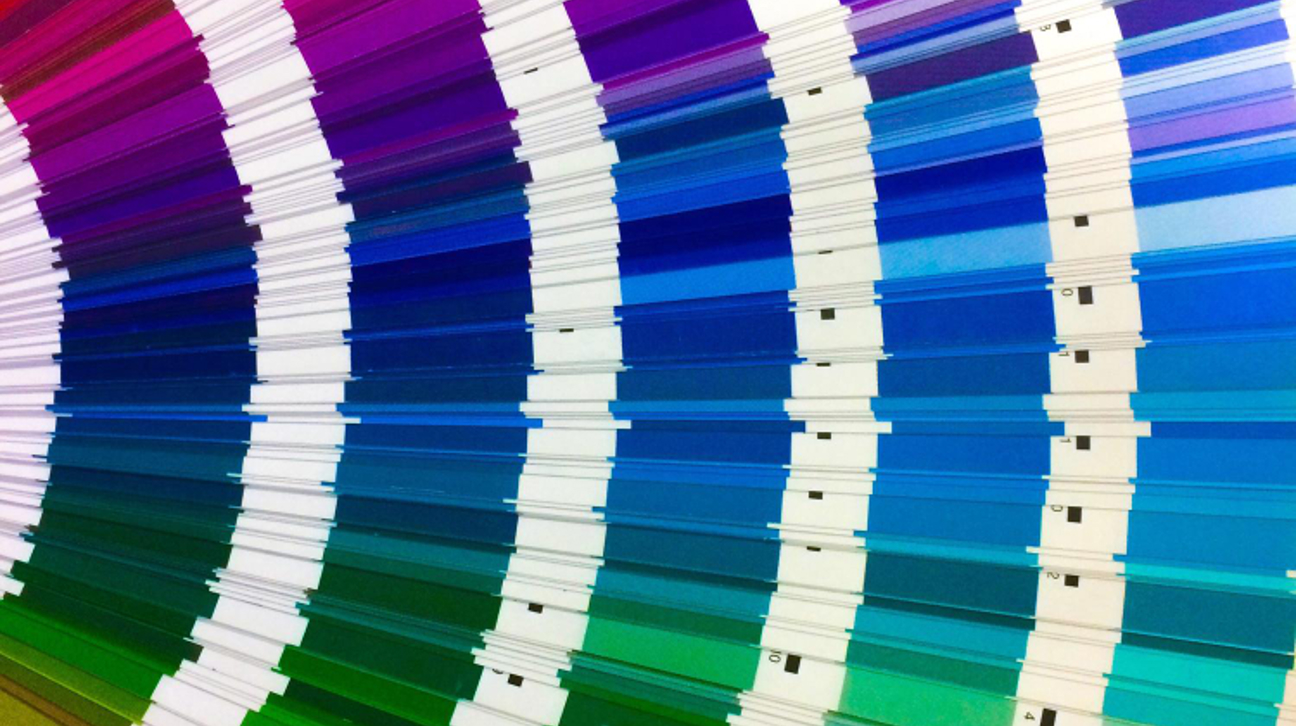
PMS stands for Pantone Matching System, a standardized color matching system that allows designers and printers to communicate colors accurately. Each color in the PMS library is assigned a unique code, making it easy to specify and reproduce.
Spot Colors: PMS colors are often referred to as spot colors. These colors are pre-mixed inks, which means they are created before printing rather than by mixing CMYK inks on the press.
Consistency: PMS ensures that the printed colors remain consistent across different print runs and materials, making it ideal for branding and identity projects.
Branding: PMS is widely used for logo design, corporate branding, and other applications where color consistency is crucial.
Specialty Printing: PMS colors are also used in specialty printing, such as packaging, where specific colors are required to match brand guidelines.
Color Mixing Method:
CMYK: Colors are created by mixing the four ink colors on the printing press.
PMS: Colors are pre-mixed and applied as a single ink.
Color Range:
CMYK: Can produce a broad spectrum of colors but may struggle with certain hues, especially bright or fluorescent colors.
PMS: Offers a wider range of vibrant and consistent colors, particularly for specialty colors.
Cost:
CMYK: Generally more cost-effective for large print runs due to the use of fewer inks.
PMS: Can be more expensive, especially for projects requiring multiple spot colors, as each color requires its own ink.
Application:
CMYK: Ideal for projects with many colors or gradients, such as photographs and detailed graphics.
PMS: Best for projects requiring color consistency, such as brand logos and corporate materials.
When deciding whether to use CMYK or PMS for your printing project, consider the following factors:
Project Type: If your project involves complex images or photographs, CMYK may be the better choice. For branding materials where color consistency is critical, PMS is ideal.
Color Requirements: If your design includes specific colors that need to match perfectly, opt for PMS. If you're working with a broad color palette, CMYK will suffice.
Budget: Consider the cost implications. For larger print runs, CMYK may offer a more economical solution, while PMS may be justified for high-value branding projects.
Understanding the differences between CMYK and PMS is essential for achieving the best results in your printing projects. CMYK is a versatile color model suitable for a wide range of applications, while PMS provides unmatched color consistency and vibrancy, making it ideal for branding and specialty printing.
By carefully considering your project’s requirements and goals, you can make an informed decision about which color system to use, ensuring that your printed materials effectively communicate your message and maintain the desired quality. Whether you choose CMYK or PMS, mastering these color systems will enhance your printing experience and outcomes.