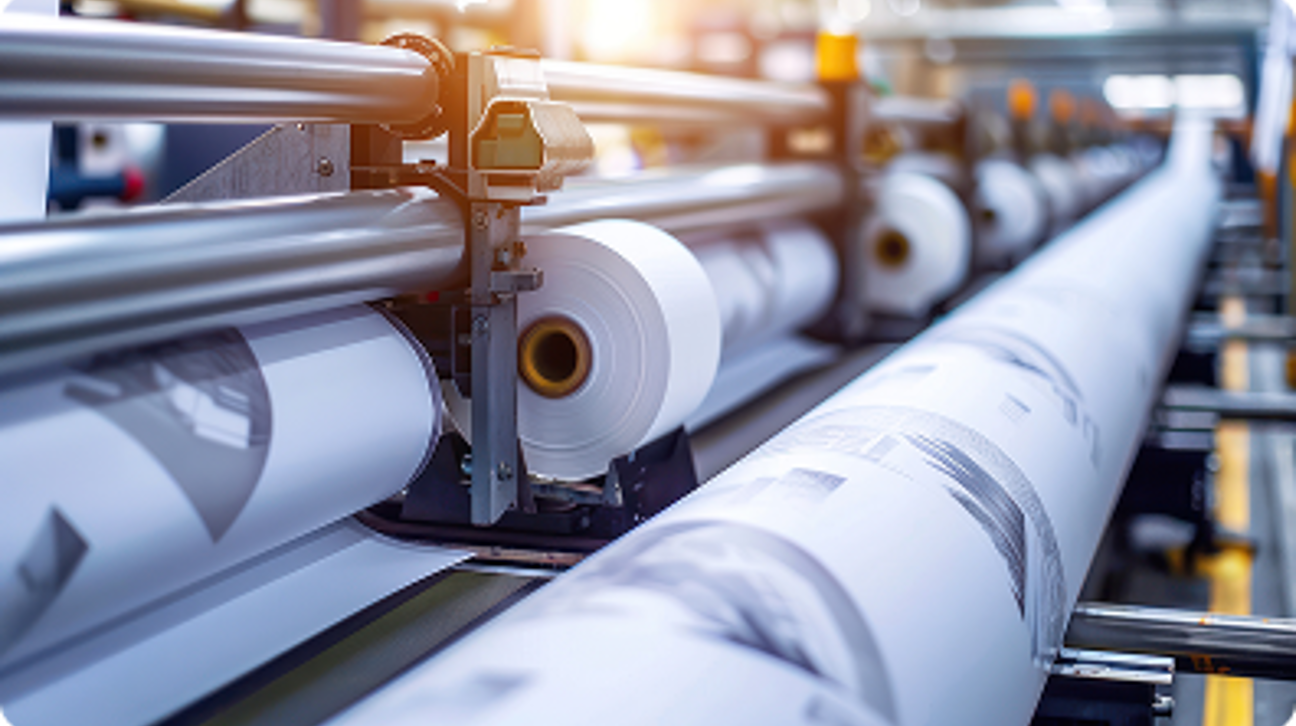
In the printing world, choosing the right method can significantly impact the quality, cost, and efficiency of your project. Two of the most common printing techniques are offset printing and digital printing. Each has its unique advantages and applications, making it essential to understand their differences to determine which is best suited for your specific needs. This article will explore the characteristics of offset and digital printing, helping you make an informed decision for your next project.
Offset printing is a traditional printing technique that involves transferring an inked image from a plate to a rubber blanket, which then rolls the image onto the printing surface, usually paper. This method is widely used for high-volume print jobs, such as magazines, brochures, and newsletters, due to its high quality and cost-effectiveness for large runs.
High Quality: Offset printing produces sharp, clear images and vibrant colours, making it ideal for projects that require high-quality visuals.
Cost-Effective for Large Runs: The initial setup costs for offset printing can be higher due to plate creation, but the cost per unit decreases significantly as the print volume increases. This makes it economical for large quantities.
Versatility in Materials: Offset printing can be used on a variety of substrates, including paper, cardboard, and even plastic. This flexibility allows for a wide range of applications.
Consistent Results: Once the plates are set up and calibrated, offset printing can deliver consistent results across large print runs, ensuring uniformity in colour and quality.
Digital printing, on the other hand, involves directly transferring digital images onto various media using inkjet or laser printers. This method has gained popularity due to its speed and efficiency, especially for shorter print runs.
Quick Turnaround: Digital printing eliminates the need for plates, allowing for faster production times. This is ideal for projects with tight deadlines.
Cost-Effective for Small Runs: For smaller quantities, digital printing is often more economical because it avoids the setup costs associated with offset printing.
Personalization: Digital printing allows for easy customization and variable data printing, making it perfect for projects that require personalized content, such as direct mail campaigns, statements, company stationery, pitch decks, etc.
Less Waste: Since there are no plates to create, digital printing generates less waste, making it a more environmentally friendly option for smaller jobs.
When deciding between offset and digital printing, consider the following factors:
Volume of Print: If you need a large quantity of prints (typically over 500), offset printing is usually more cost-effective. For smaller runs, digital printing is the better choice.
Quality Requirements: For projects that demand the highest quality, such as high-end brochures or art prints, offset printing typically offers superior results. Digital printing has improved significantly but may not match offset quality for certain applications.
Turnaround Time: If you have a tight deadline, digital printing can provide quicker results due to its streamlined process. Offset printing may require more time for setup and production.
Customization Needs: If your project requires variable data or personalization, digital printing is the way to go. Offset printing is less flexible for such applications.
Budget Considerations: Evaluate your budget. While offset printing is more economical for large runs, digital printing can save you money on smaller projects.
Both offset and digital printing have their unique strengths and weaknesses, making them suitable for different types of projects. Understanding the distinctions between the two methods will help you choose the right printing technique based on your specific needs, budget, and timeline.
Ultimately, whether you opt for offset or digital printing, collaborating with a reputable printing partner will ensure that your project meets your expectations and achieves the desired impact. By considering the factors outlined above, you can confidently make the best choice for your printing needs.