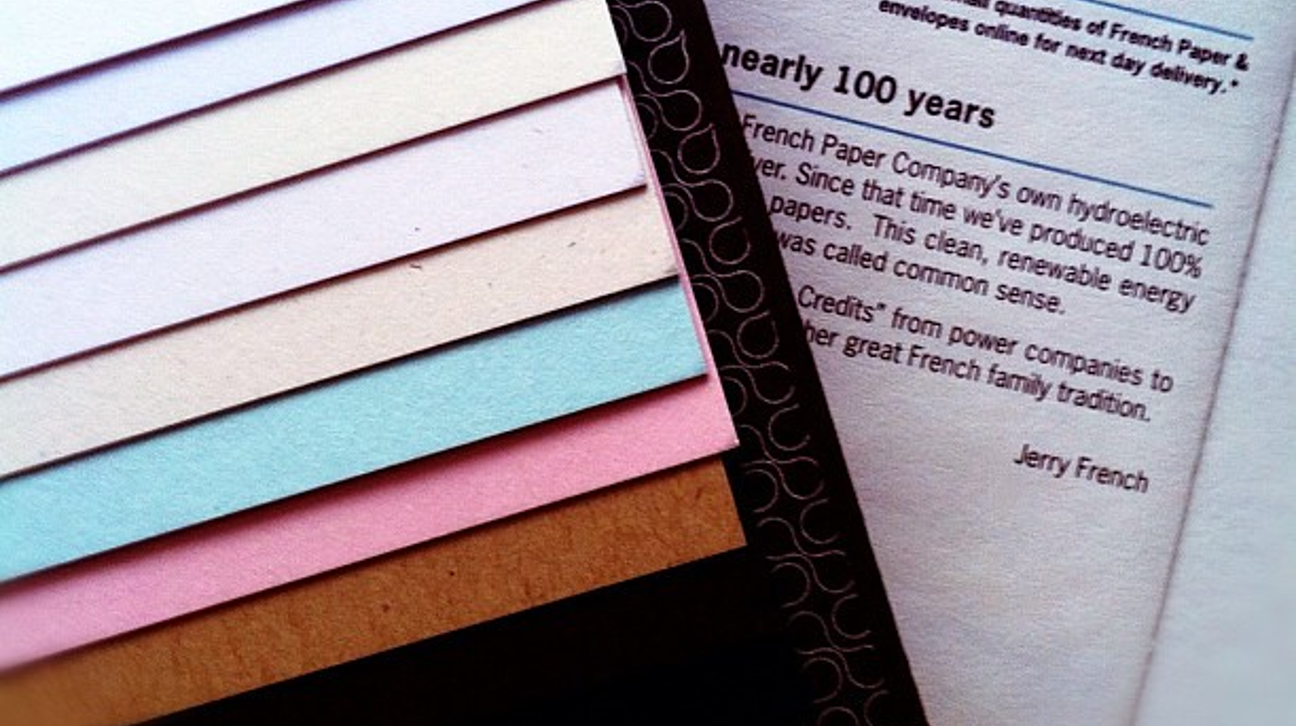
Choosing the right paper for your printing project is a crucial decision that can significantly impact the final appearance, feel, and effectiveness of your materials. With a wide variety of paper types available, understanding the characteristics and uses of each can help you select the perfect option for your needs. This article will guide you through the essential factors to consider when choosing paper for printing.
Paper weight is a critical factor that affects the thickness and sturdiness of the paper. It is typically measured in grams per square meter (GSM) or pounds (lb). Here are some common categories:
Text Paper: Generally used for printing books, brochures, and flyers, text paper usually ranges from 60 to 120 GSM. Lighter weights are suitable for everyday printing, while heavier weights offer a more premium feel.
Cover Paper: Used for business cards, postcards, and covers, cover paper typically ranges from 160 to 350 GSM. Heavier cover stock provides durability and a professional appearance.
Cardstock: Heavier than cover paper, cardstock is ideal for projects that require more rigidity, such as invitations, greeting cards, and packaging. It usually starts at 250 GSM and can go up to 600 GSM or more.
The finish of the paper affects its appearance and tactile quality. Common finishes include:
Glossy: This finish provides a shiny surface that enhances colors and contrasts, making it ideal for photographs, brochures, and marketing materials.
Matte: A non-reflective finish that offers a smooth, sophisticated appearance. Matte paper is excellent for text-heavy documents and provides easier readability.
Silk/Satin: This finish offers a balance between glossy and matte, providing a subtle sheen without being overly reflective. It's a popular choice for high-quality art & photo books, brochures and magazines.
Textured: Papers with textures, such as linen or laid finishes, add a unique tactile quality, making them suitable for invitations, stationery and premium book covers.
Different types of paper are designed for specific printing needs:
Coated Paper: Coated papers have a surface treatment that enhances color vibrancy and sharpness. They are commonly used for magazines, catalogs, and promotional materials.
Uncoated Paper: This type has a more natural feel and is often used for text-heavy documents, such as books, letterheads, and envelopes. Uncoated papers allow for better ink absorption and are suitable for writing.
Recycled Paper: Made from post-consumer waste, recycled paper is an eco-friendly option. It comes in various finishes and weights, suitable for a range of applications while promoting sustainability.
Specialty Papers: These include options like waterproof, synthetic, or metallic papers, designed for specific uses such as outdoor signage, labels, or artistic prints.
The printing method used can also influence your paper choice:
Digital Printing: Generally compatible with a wide range of paper types, digital printing often works best with uncoated or lightly coated papers to ensure optimal ink adhesion.
Offset Printing: This method can handle various coated and uncoated papers, allowing for high-quality prints and precise color reproduction.
Screen Printing: Typically used for larger formats and textiles, screen printing requires thicker papers or specialty substrates to accommodate the ink application.
Understanding the purpose of your printed materials and your target audience is essential:
Marketing Materials: For brochures, flyers, and catalogs, opt for glossy or silk finishes that enhance visual appeal and grab attention.
Corporate Documents: For reports, proposals, and presentations, consider uncoated papers that convey professionalism and clarity.
Special Events: For invitations, greeting cards, or menus, choose textured or specialty papers that add a personal touch and elevate the overall experience.
Before finalizing your paper choice, consider ordering samples from your printer or paper supplier. Testing different weights, finishes, and textures can help you visualize how your design will look and feel in print.
Choosing the right paper for your printing project is vital for achieving the desired impact and quality. By considering factors such as paper weight, finish, type, printing method, and intended purpose, you can make an informed decision that aligns with your project goals.
Taking the time to select the right paper will not only enhance the aesthetic appeal of your materials but also ensure they effectively communicate your message. Whether you’re printing marketing materials, corporate documents, or personal projects, the right paper choice can make all the difference.